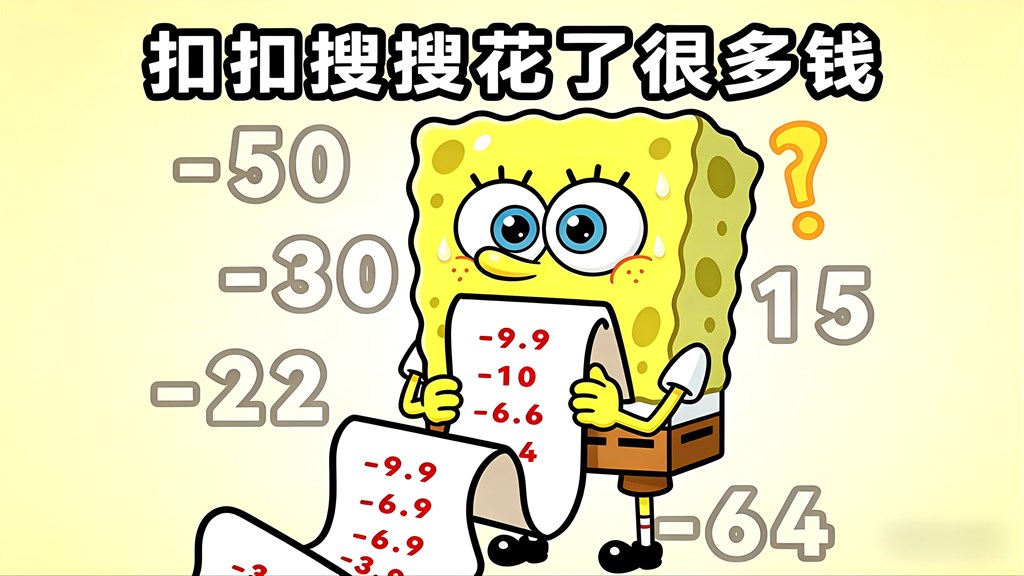
9块9买治愈 ?犒赏经济学Treatonomics背后的生活真相 ...

E
You Can Read More Here
更多英文相关,欢迎阅读👇

Key Words
本 期 关 键 词
Treatonomics
治愈经济学
Lipstick effect
口红效应
Affordable luxury
平价奢侈品
Micro-indulgence
微享乐
Inchstone
寸碑/小里程碑
Mood booster
情绪提升剂
Budget creep
预算悄然膨胀
Hi everyone, and welcome back to Buzzword Mix. 欢迎回来【新词特饮】. And today's Buzzword is Treatonomics.
You know, we're talking about something I think we're all guilty of, especially when the economy feels a little shaky, when the news is a little gloomy, And when that big life goal, like buying a house, feels just, you know, out of reach. And this is when you treat yourself.
I'm talking about that 30 RMB coconut latte you bought yourself on a random Tuesday or that new lipstick that made you feel like $1 million bucks for a moment. Or that fancy chocolate bar at the checkout counter that you definitely didn't need, but absolutely deserved.
So if you're guilty of things like that, then you know, we're all deep in the era of treatonomics.
今天我们就来聊聊treatonomics这个词, 叫治愈经济学.
It' s a pretty new word. Well, you can kind of guess, it's a combination of treat and economics. It's been buzzing around social media, especially things like TikTok.
And it's even made it into the Cambridge Dictionaries’ new words list. So the definition is this:
“Treatonomics is an economic trend where people buy small, inexpensive treats during times when living costs are high and they simply cannot afford bigger purchases but still want to treat themselves once in a while”.
英语里说treat yourself or get yourself a little treat, 是指这种小确幸, 给你一点小奖励, so treatonomics.
Think of it as the younger, savvier cousin of something called the Lipstick Effect.
之前有一个更老的概念叫lipstick effect, 口红效应. It was first noticed back in the Great Depression of the 1930s, during tough economic times, sales of lipstick actually went up. The theory was that women who couldn't afford a new dress or a night out, something big, would buy a small affordable luxury, a lipstick to boost their morale, to make themselves feel better. It was like a small act of rebellion against the gloom.
这就好像是对这种灰暗的牛马生活的一点小小的反叛. And the same thing happened after 911 and again, after the 2008 Financial Crisis.
So nowadays treatonomics is that idea. But you know, for 2026, it's the lipstick effect, but it's not just about makeup anymore. It's about any small, affordable indulgence that gives you a little hit of joy, a little emotional boost. In a world that feels increasingly uncertain and expensive.
其实中文里一个挺接近的概念, 就是提供情绪价值的小破烂儿, 快乐的小破烂儿.
Recently I’ve been buying a lot of those. For me, it’s stickers and stationery. For you it’s perhaps something else.
Let's look at some numbers in America, shall we? A major 2026 study on treatonomics found that 62% of Americans indulge in small, affordable treats at least once a month.
Now I don't think the numbers in China would be that much different. And 43% of Americans are what they call frequent treaters, meaning they treat themselves daily or weekly. Most of these treats are pretty modest, about 52% of people spend $25 or less per little indulgence.
And what are they buying, you ask? The top category is food and beverages, 65% of treats fall into that category. We're talking specialty coffee, gourmet snacks, and fancy cakes, pastry. After that, it's home and hobby items, beauty products, small tech gadgets and short local experiences.
Now here's where it gets really interesting. Why now, why is treatonomics exploding now?
Well, if you think about it, it is a perfect storm of economic pressures and psychological needs.
First of all, there is the economic reality. Traditional life milestones, the big ones, like buying a house. Things like that are slipping further and further away for many people, especially younger generations. People have to wait longer and longer and buying their houses at an older age. Marriage is also happening later. And parenthood? also being pushed back, and this is happening all over the world.
So what's happening? People are looking at these big-ticket items. 甚至咱们都有这种说没有房贷, 车贷, 传宗接代就可以活得很幸福的这种说法.
Because none of these big-ticket items are happening. The younger generation is thinking, well that's not happening anytime soon, maybe not ever, at least not the way my parents had it.
So what we gonna do? They shifted focus, they focus on what they can control. They celebrate what one report calls inchstones instead of milestone. 英语里那个词milestone叫里程碑, 前面用的是’英里’这个词, 现在达不到英里呢, 就有人创造出来一个词叫inchstone叫做 ‘英寸’碑.
So an inchstone is much, much shorter and smaller. It's a small personal win, getting through a tough week, finishing a project, surviving a Monday.
And how do you celebrate an inchstone? Well, with a little treat.
This is where the psychology kicks in. In this environment with all of the pressure weighing on us, especially the younger generation, a small purchase becomes a mood booster. It makes you feel good. It's a tiny act of control. A little I deserve this moment in a world that feels increasingly out of control. It's emotional self-care. People use small treats to cope with a stressful day or bad news.
And Gen Z is leading the charge. Gen z is a generation that has fully embraced treatonomics. They're more likely than older generations to use small purchases to stay motivated toward bigger goals, and more likely to use them to cope with stress.
For Gen Z, these aren't just impulse buys. They are a strategy for emotional resilience. But, of course, you know there is a ‘but’, is it really just harmless?
Now let's talk about the risks.
First of all, there's what experts call budget creep, those little 10RMB, 20RMB, 50RMB purchases, they can add up. And all of a sudden, you're facing a larger credit card bill.
Second of all, there is the issue of normalization. Well, when you treat yourself every single day, does it still feel like a treat? Probably not.
So the risk is that these small indulgences lose their power to boost your mood. And you start needing bigger, more expensive treats to get the same emotional hit. 就是你的情感满足阈值会被越拉越高.
And third, there is the broader economic irony. Treatonomics is a response to economic anxiety, but by keeping consumers spending afloat on small items, it might actually be masking deeper economic problems and delaying necessary adjustments. It's a coping mechanism, not a solution. 本来treatonomics就是对于经济焦虑的一种回应, 但是通过这种小额消费维持消费支出, 可能反而掩盖了更加深层的一些经济问题, 这就已经形成了一个悖论了.
Well, of course. Someone's laughing, the businesses. Think about businesses like Popmarts. They practically made a business empire based on this emotional indulgence. 那treatonomics也带火了像以泡泡玛特为首的这种盲盒经济.
So where does this leave us? Is treatonomics a force for good or another financial trap?
Well, like most things, it’s complicated. On one hand, I do love the philosophy behind it. It's a recognition that joy doesn't have to be expensive or tied to major life achievements. You can find happiness in small everyday moments. But of course, on the other hand, we have to face the fact, if these little treats are adding up, if they're creeping into your budget and affecting your financial health, then it has become a problem.
So I guess the key is really to keep asking yourself, is this treat really giving me pleasure, making me feel good or just replacing a bigger goal I'm trying to avoid. And now let's move on to the sample sentence.
例句示范
-From lipsticks to concerts, the treatonomics trend is booming.
你听懂了吗? 关注公众号【璐璐的英文小酒馆】来获取更多拓展内容, 如果你喜欢新词特饮这个板块, 也不要忘记来听听看主播的其他专辑.
So have you ever participated in this treatonomics by giving yourself little treats from time to time?
期待你的分享, 我们下期见.

请在【评论区】留下你对本期新词的见解或对Small talk的观点吧~
期待你的分享哦
本期内容制作
图片 | 来源网络
中文撰稿/排版 | Jenny
英文稿校对 | 梅薇薇/Jenny
版权 | 英文小酒馆®
• end •




▲点击以上图片,Get世界精选好物


