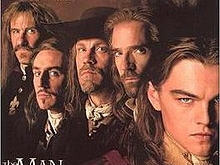
法国最神秘囚犯 !小李子 《铁面人 》原型 ,令路易十四忌惮并秘密囚禁 34 年的神秘人

铺 子

▲点击进入 相应板块
Unexplained Mysteries
BACKDROP
The Man in the Iron Mask

背景介绍:
17 世纪的法国由有着 “太阳王” 之称的路易十四掌权,凡尔赛宫成为欧洲最具权势的宫廷。路易十四掌控欲极强,严密监视贵族,全力镇压所有动摇王权的力量。
当时的法国到处充斥着密探与阴谋,处处藏着不为人知的秘密。在这样强权当道、讳莫如深的环境里,一桩神秘的囚徒事件逐渐演变成流传至今的历史奇案。
事件简介:
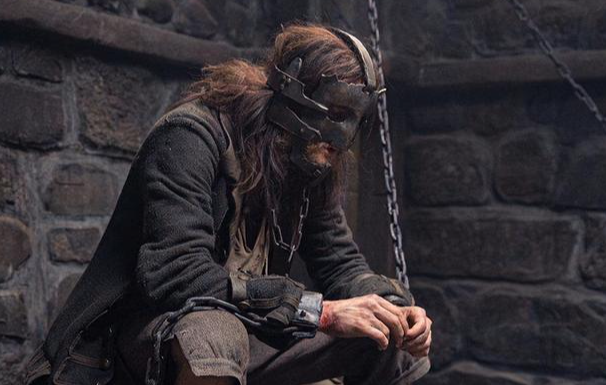
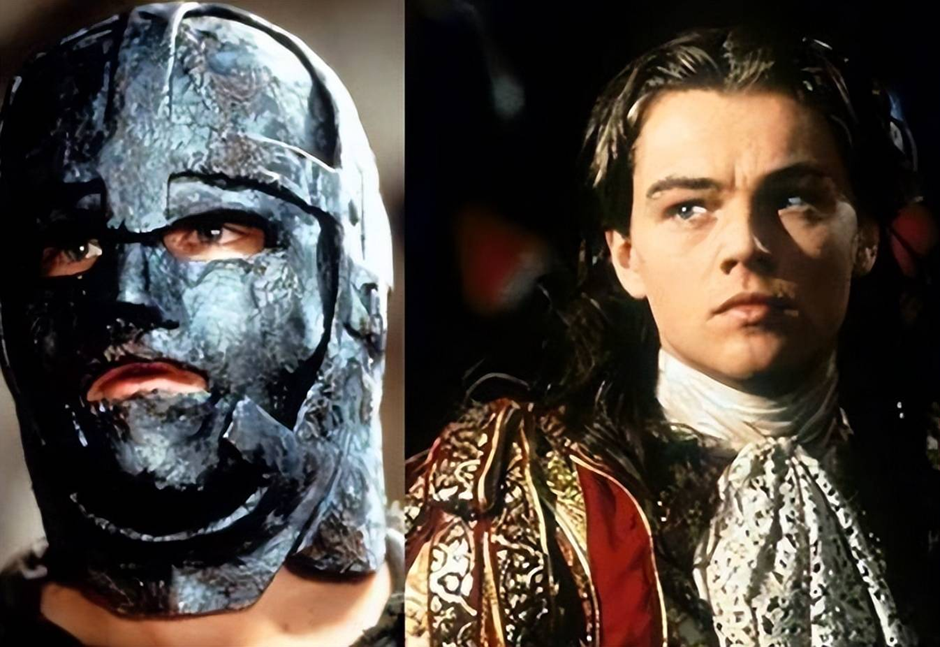
1698 年,一位戴着黑色丝绒面具的神秘男子被重兵押入监狱,他虽得到善待,面部却永远被遮挡。
此人先后被转移至多处堡垒关押,整整度过了三十四年的囚徒生涯,最终在 1703 年于巴士底狱离世。
他死后所有相关记录、遗物尽数被毁,墓地也没有任何标识。
民间出现了多种关于其身份的猜测,相关文学创作更是广为流传,时至今日,他的真实身份依旧没有确切答案。
Ep/15
MYSTERIES
Unexplained Mysteries
with Anlan
Welcome to a world of secrets and unanswered questions—a world of true mysteries that no one has ever solved. Today, we are going on a journey into the strange and the unexplained.
Are you ready to explore the unknown? Let's begin.

🎵
🔺点击收听音频
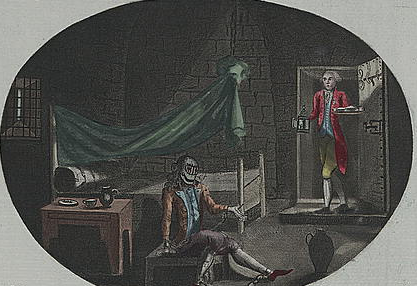
In the quiet darkness of a French prison cell, late in the year 1698, a mysterious prisoner arrived under heavy guard. He wore a black velvet mask that covered his entire face. No one was allowed to see who he really was. The guards spoke to him with respect. They gave him fine food and clean clothes. But the mask never came off.
For thirty-four long years, this man lived behind bars — moved from one fortress to another, always hidden, always silent. When he finally died in 1703, every record of his name was destroyed. His grave was left unmarked. Even today, we do not know who he was.
This is the true story of the Man in the Iron Mask — one of history’s most haunting mysteries.
✏ Prison cell 监狱牢房
✏ Under heavy gurad 重兵把守
✏ Velvet 天鹅绒
✏ Fortress 堡垒
Let us travel back to the glittering but dangerous world of 17th-century France.
King Louis XIV ruled the country like a god. He was called the Sun King. His palace at Versailles was the most beautiful and powerful court in Europe. Louis loved control. He watched his nobles closely. He crushed any threat to his power. In this world of secrets and spies, one prisoner became a legend.
The masked man first appears clearly in 1698. He was brought to the island fortress of Sainte-Marguerite, off the south coast of France. The governor of the prison received strict orders from the king himself: treat this prisoner well, but never let anyone see his face. When he ate, he wore the mask. When he walked in the small courtyard, the mask stayed on. Even the doctor who treated him never saw his features.
The governor later wrote letters describing the man. He said the prisoner was tall and well-built. He spoke politely and seemed educated. He played the guitar beautifully. But he never complained about his long imprisonment. He accepted his fate with strange calm.
Think about that for a moment. A man locked away for decades, hidden from the world, yet treated like someone important. Why?
✏ Sun King 太阳王
✏ Versailles 凡尔赛
✏ Prisoner 犯人,囚犯
✏ Governor of the prison 监狱长
✏ Well-built 体格匀称健美的
✏ Imprisonment 监禁、关押
Rumours began to spread across France and beyond. People whispered in the streets of Paris. Some said he was a twin brother of the king. Others believed he was an illegitimate son of Louis’s mother. A few even claimed he was the real king, and the man on the throne was an impostor.
The story grew darker and more dramatic when the famous writer Alexandre Dumas heard about it two hundred years later. In his novel The Man in the Iron Mask, Dumas turned the prisoner into a romantic hero — the secret twin of Louis XIV, locked away to protect the throne. The book became hugely popular. It mixed fact with fiction so well that many readers believed the story was completely true.
✏ Whispered 窃窃私语
✏ Illegitimate 私生的
✏ Impostor 冒充者
✏ Alexandre Dumas 亚历山大·仲马(人称大仲马,法国剧作家、小说家)
✏ Throne 王位
But what do we actually know?
We know the prisoner existed. Official letters from the time mention him. The famous prison governor, Saint-Mars, wrote about moving “the masked prisoner” from one jail to another. When the man died in the Bastille prison in Paris in 1703 on the 19th November , Saint-Mars noted the event carefully. He said the prisoner had been held for thirty-four years. And after the death, all furniture, clothes, and papers were burned or destroyed. Even the walls of the cell were scraped clean.
No name. No explanation. Just silence.
Over the centuries, historians have searched for clues. They have read thousands of old letters and prison records. Several serious theories have emerged.
The first and most popular theory is that the masked man was the king’s secret twin brother. According to this idea, Louis XIV’s mother, Queen Anne, gave birth to two boys. The second child was hidden away because twins could cause problems over who should inherit the throne. The boy grew up in secret until, as an adult, he was arrested and masked forever. This theory explains the special treatment — after all, he was royal blood.
But many experts say this is unlikely. No records mention a second birth. Queens in those days were watched closely by doctors and courtiers. A secret twin would have been almost impossible to hide.
Another theory suggests the prisoner was an illegitimate son of the queen or even of King Louis himself. Perhaps he looked too much like the king and could be used in a plot against the throne. Or maybe he knew dangerous secrets about the royal family.
✏ Scraped clean (墙)被刮除干净
✏ Inherit the throne 继承王位
✏ Special treatment 特殊待遇
✏ Courtiers 侍臣
✏ Plot 阴谋,密谋
A more realistic idea points to a man named Eustache Dauger. He was a real person — a servant in the king’s court who was arrested in 1669. Some historians believe he was involved in a scandal, perhaps poisoning or blackmail. He was sent to prison and ordered to wear a mask so no one would recognise him. This theory fits the facts better: he was not royal, but he knew important secrets, and the king wanted him to disappear quietly.
Yet another theory is darker. Some researchers think the prisoner was a high-ranking noble or even a relative who had tried to rebel against Louis XIV. The mask was not to hide his identity from the world, but to stop him from speaking his dangerous truth.
We may never know for sure.
✏ Scandal 丑闻
✏ Poisoning 投毒
✏ Blackmail 敲诈勒索
✏ High-ranking noble 位高权重的贵族
✏ Rebel against 反叛,背叛
What makes this mystery so powerful is the way it touches our deepest fears. Imagine being locked in a small stone cell year after year. You see the sun rise and set through a tiny window. You hear the voices of guards outside, but you cannot speak freely. Your face is hidden behind velvet. You are alive, but invisible. Who were you before the mask? Who would remember you after?
The prisoner lived through the greatest years of Louis XIV’s reign — the building of Versailles, the wars that made France the strongest country in Europe, the glittering balls and endless luxury. Yet he saw none of it. He remained in shadow.
Even the mask itself adds to the drama. People later called it an “iron mask,” but it was velvet. The iron version came from stories and plays. Still, the image stuck: a man chained behind cold metal, breathing through a narrow slit. It became a symbol of royal cruelty and hidden power.
Today, scientists and historians continue to search for answers. They study old bones found in the Bastille area. They examine letters written by Saint-Mars. Some modern researchers have used DNA testing on possible relatives of the king. But the evidence remains thin. The truth was buried too well.
What we do know is that the Man in the Iron Mask was real. He was not a myth. He lived, breathed, and died behind that mask. And his story still raises the same question after more than three hundred years: why did the most powerful king in Europe go to such lengths to hide one single man?
Perhaps the answer is simple. In the world of absolute power, some secrets are too dangerous to reveal. Some people are too important to kill, but too threatening to free.
✏ Invisible 不被人看见的
✏ Reign 统治时期
✏ Balls 盛大的舞会
✏ Slit 狭缝
✏ Cruelty 残忍,不公
✏ Reveal 揭示,透露
✏ Threatening 有威胁的
The Man in the Iron Mask reminds us that history is filled with hidden corners. Behind the grand palaces and famous kings, there are often quieter stories — stories of ordinary or extraordinary people who were erased from the record.
Even now, when we walk through the old stone alleyways of Paris or read the yellowed letters in French archives, we feel the same chill. A man lived and died in silence. His name was taken from him. His face was hidden.
✏ Extraordinary 非凡的
✏ Alleyways 小巷子
✏ Archives 档案、资料
And somewhere in the shadows of the past, the answer still waits.
This is the mystery of the Man in the Iron Mask — a story of power, secrets, and one unforgettable mask that continues to haunt us. Because in the end, the greatest prisons are not made of stone and iron. They are made of silence.
And that silence still echoes today.
真相仍静静蛰伏。铁面人的谜团藏尽王权与秘密,这份无声的谜题,至今仍萦绕不散。
排版长图:
责编/校对:
图片来源:
Jer.ry
Jenny
均来源于网络 | 侵删






▲点击以上图片,Get世界精选好物


