《词源考古研究所 》-细思不恐 !你眼里的小人命名了你的器官 ...



Etymology
of Words

>>> 图片均来源于网络 | 侵删
加小助手VX【luluxjg2】领取全文逐字稿
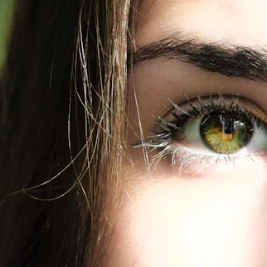
Pupil
a.
It means both a 'student' and the dark center of our eye.
b.
The word comes to English from the Latin word pupilla, which means 'a little girl-doll' or a 'minor.'"
"when the Romans, looked closely into someone else's eyes, noticed their own tiny, reflected image staring back at them from the dark center. This miniature reflection looked like a little doll or a small child."
"So, they named that part of the eye the pupilla—the 'little doll'—because that's what you saw there. The English word 'pupil' is a direct borrowing of this concept."
c.
The meaning of ‘student’ also comes from Latin word: pupillus.
"Pupillus (for a boy) and pupilla (for a girl) meant an orphan, a minor, or a ward—a young person under the care and protection of a guardian."
"This sense of a 'young, protected person' naturally evolved into meaning a 'student under the care and instruction of a teacher.' The word entered English through Old French in the 14th century with this meaning."


Hi everyone and welcome back to 【词源考古研究所】. In English, we call it 【It Means What?】
Hi, 安澜.
Hi Lulu, hi everyone.
So in this segment, 安澜and I will dive into some of the most common words, phrases, idioms and get to the bottom of their origin story.
Yes.
So what is the word for today?
First of all, I have a riddle for you.
Oh. Do you?
What is it that every student has but you can also find a tiny one of them staring back at you when you look into their eyes.
That sounds really creepy, that sounds like some of the horror films I have been watching. Is that a word?
The answer is pupil.
Oh, P-U-P-I-L.
Yeah.
Pupil means student. Pupil also means that part of the eyes这个瞳孔.
So it's a very bizarre story. It's like how can these two completely different things use the same word.
But first things first, they only call them pupils when they’re very young students, right? For example, if you're in middle school or university, you're no longer a pupil, you're a student.
Yeah, pupil...the idea of being a pupil is that you are at school. So you can't be a pupil at a university, because student is more kind of independent study. It's the idea that you are studying independently. You don't need a teacher as much. Pupils still need to be told what to do by the teacher.
So it's like in primary school, for example.
Precisely.
Pupils. But how come that word also means that part of your eye.
Well, let's start first of all with the eye.
Okay.
So the word comes to English from the Latin word Pupilla, which means little girl, little doll or minor.
Minor as in “under age”.
Yeah.
就是未成年人. Ok.
The reason for that is the Romans when they looked closely into someone else's eyes, they noticed their own tiny reflected image staring back at them from the dark center.
Ah.
So this little reflection looked like a small doll or a small child.
Oh, that's cute. So when I look into your eyes, I can see a tiny reflection of me. So I call that reflection pupilla.
Yeah. So they named the part of the eye, the pupilla, the little doll or little child because of what they saw there. And the idea is we use the same in English, pupil.
That's really kind of poetic, in a way, the Romans were really the original selfie-takers, weren’t they?
It’s just their camera was someone else's eyeball.
Oh yeah.
Yeah, let's move on to the student. So this meaning also comes from Latin but from a different yet somewhat related word-Pupillus.
Pupilla and pupillus
So pupillus is the masculine, that's for a boy, Pupilla is for a girl.
Ahh.
So, it originally meant orphan or minor or a ward.
I constantly hear that word--Ward, in Chinese they are often translated into 养子.
Yeah.
But what is that a ward? Why isn't it adopted child?
Well basically a ward like, ward of court, so it's a young person under the care and protection of a guardian, not necessarily a parent. So it could also be an uncle. It could be a grandparent, for example.
Ok, in that way, the ward. So either way, it's some young child being taken under the care and protection of a guardian.
Precisely.
Like a teacher or a mentor.
Yeah, exactly.
So that was pupillus and pupilla.
Yeah, so this idea of a young protected person just basically became a student under the care and instruction of a teacher. Because remember back then that most of the children would actually live with this teacher.
And the teacher could cane them, could use corporal punishment.
Well, yeah.
I see the link now, so both meanings come from the same Latin roots meaning a small child or a minor .
Oh yeah.
In both situations.
Precisely. So if we dig a little bit deeper, both Latin words ‘pupilla’ ‘pupillus’ themselves come from the Latin word for boy ‘pupus’ and girl ‘pupa’, or ‘puer’ and ‘puella’, and it just means child. So these meanings are not coincidences. They are cousins. They have... they come from the same root.
所以在词源上它们两个就是亲戚,就是近亲。
Yeah.
They have very similar spelling or like pronunciation, right?
Well, yeah.
I see, so from a single Latin word for child, now we get a term for student and a term for the part of our eye that holds a tiny reflection of ourselves.
Well,exactly.
I would say it is very poetic because it's kind of like it connects the idea of learning and seeing in a really profound way.
Yeah.
Because when we think about things, like in a profound way or trying to gain insight, we also use the word reflection.
Yeah. So it is quite a nice, elegant way.
Yeah.
The idea that you are seeing like a reflection of yourself almost like as a little child, as a little doll.
And nowadays, you know doctors shine a light into your pupil; in medicine, pupils are very important and...
That's when they say for someone is, let's say, someone's dying, they say their pupils dilated.
Yeah.
散瞳了.
And also they... like neurological doctors, neurologists or neurosurgeons, 就是那个神内神外的they also shine a light into your eyes to see the change in your pupil, like your...the reaction of your pupils to see if you are reacting, if yours nervous system is reacting.
That's right.
Emm. I see. So that really explains a lot, like to me, I obviously knew this word and the two meanings of this word, but I never knew where it came from and thank you for solving that mystery for me.
That's okay.
Now before we end today's discussion, I do have to ask you, 安澜, you have been teaching for many years, would you actually call any of your students pupil?
Not really, no because I've mostly taught adults.
Okay.
We can't use the word pupil for an adult.
Because they are minors, right?
Exactly. The idea is if you're a pupil, then they are younger, normally under the age of maybe 13 or so.
Like a child.
Yeah.
But in the UK, do teachers actually use the word pupil with younger kids?
Well, yeah. For example you can say gifted pupil.
Gifted pupil.
Star pupil. And you talk about pupil support, pupil behavior, pupil engagement.
So it is still commonly used for the younger students.
Absolutely.
In addition to the age difference, pupils, just, they just seem to be students that need a lot more hand-holding, a lot of close attention from their teachers as compared to students who are fully grown adults or very mature individuals that can handle studies or at least partially on their own.
Exactly.
Because when you say pupil, as I said to you before, the idea of a pupil is someone who is told what to do or is taught by a teacher whereas a student the idea is that they are studying. Now study in English is a much more active verb.
The fact that study can be translated into Chinese as 学习or研究, can be doing research.
Well yeah. So this is one key difference. To learn is very passive, you just sit there and someone tells you. But to study, you have to do most of the work yourself.
And take the initiative.
Precisely.
All right, it ends our discussion about the word pupil and its double meanings, so leave us a comment in the comment section and put in your request for any other words you want us to talk about in this segment. Thank you 安澜, for coming to the show.
Thanks, Lulu. Thanks, everyone.
We'll see you next time.
Bye.
Bye.
排版长图:
文稿校对:
图片来源:
Jer.ry
梅薇薇 & Jenny
均来源于网络 | 侵删
▻▻▻
如果你喜欢小酒馆的推文,别忘记
⭐星标⭐【璐璐的英文小酒馆】哦,
星标不迷路!
点开公众号名片,点击右上角“…”
再点击“设为星标”即可,在酒馆等你哦~ 👇